
Collapsed Arch: How Changes In Your Bite Affect Your Smile And Comfort
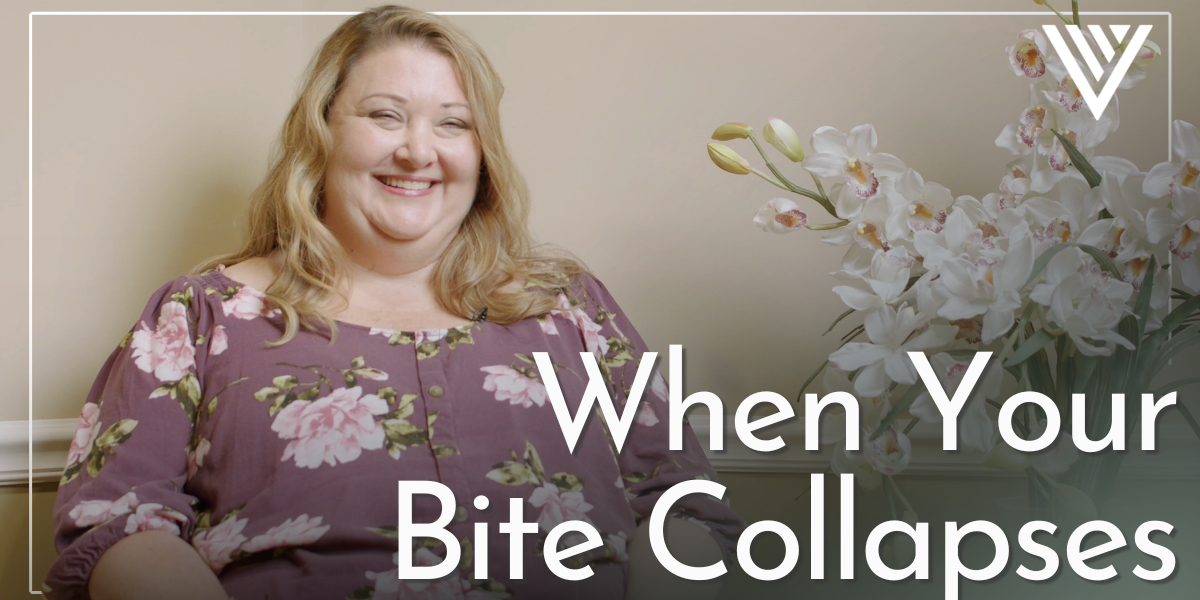
A collapsed arch is not something most patients notice overnight. It develops gradually as the shape and height of the dental arches change, resulting in a bite that no longer supports the face and jaw the way it once did. Many people assume these changes are simply part of aging, but in reality, they are often linked to wear, tooth loss, or long-standing bite issues. Understanding what a collapsed arch is helps patients recognize symptoms earlier and explore supportive treatment options.
What Dentists Mean by a Collapsed Arch
Your dental arches are the curved structures formed by your upper and lower teeth. When these arches are healthy, they maintain proper spacing, balance chewing forces, and support facial structure. A collapsed arch occurs when this balance is disrupted, often due to loss of tooth height or missing teeth.
As teeth wear down or shift, the vertical distance between the upper and lower jaws decreases. This change alters how the teeth come together, resulting in a bite that feels different and may place added strain on the jaw muscles and joints.
Common Causes of a Collapsed Arch
Collapsed arches usually develop over time rather than from a single event. Several factors can contribute, often working together.
Common causes include:
- Long-term teeth grinding or clenching
- Significant tooth wear from years of use
- Missing teeth that were not replaced
- Bite misalignment that worsens over time
- Old dental restorations that have worn down
Each of these factors can reduce the height of the teeth, resulting in gradual bite collapse.
Signs Patients Often Notice
Because changes happen slowly, many patients do not realize their arch has collapsed until symptoms appear. These signs may feel unrelated at first, which is why they are often overlooked.
Patients commonly report jaw fatigue, facial muscle soreness, or headaches that seem to come from nowhere. Teeth may look shorter or flatter, and the lower face can appear more compressed. Some people notice difficulty chewing comfortably or a bite that feels unstable.
How a Collapsed Arch Affects Oral Health
When the bite collapses, chewing forces are no longer distributed evenly. This uneven pressure can strain remaining teeth, restorations, and jaw joints, resulting in discomfort or further wear. Over time, this imbalance can affect how efficiently you chew and how comfortable your bite feels throughout the day.
A collapsed arch can also make dental work more challenging if it is not addressed. Restorations placed into an unstable bite may wear faster or feel uncomfortable, which is why dentists evaluate the overall bite before recommending treatment.
How Dentists Diagnose a Collapsed Arch
Diagnosis involves more than a quick look at the teeth. Dentists evaluate bite height, tooth wear patterns, jaw movement, and facial proportions. Imaging and bite analysis help reveal how the teeth come together and where support has been lost.
This comprehensive approach allows dentists to identify whether symptoms are related to arch collapse or another issue. Accurate diagnosis supports better treatment planning and more predictable results.
Treatment Options & Supportive Care
Treatment for a collapsed arch depends on the cause and severity. The goal is to restore proper bite support and protect remaining tooth structure. Dentists may recommend a combination of restorative and protective approaches to rebuild balance gradually.
Options can include bite stabilization, restoring worn teeth to proper height, or replacing missing teeth to support the arch. In some cases, treatment is phased to allow the jaw and muscles to adapt comfortably over time.
Why Early Attention Makes a Difference
Addressing a collapsed arch earlier often allows for more conservative care. Supporting the bite before excessive wear or strain develops helps preserve natural teeth and reduces the risk of discomfort. Waiting too long can result in more complex treatment needs later. Routine dental visits play an important role in identifying bite changes early. Subtle wear patterns and shifting can be addressed before they progress further.
Supporting Long-Term Comfort and Function
A collapsed arch affects more than appearance. It influences comfort, chewing efficiency, and jaw health. With thoughtful evaluation and personalized care, dentists can help restore balance and support long-term function.
If your bite feels different or your teeth appear shorter than they used to, it may be worth discussing with us at Vargas Dental Associates, located in Bowie, MD. Small changes addressed early often result in more comfortable and lasting outcomes.